Rabby Wallet: Complete Guide to Multi-Chain Crypto Management
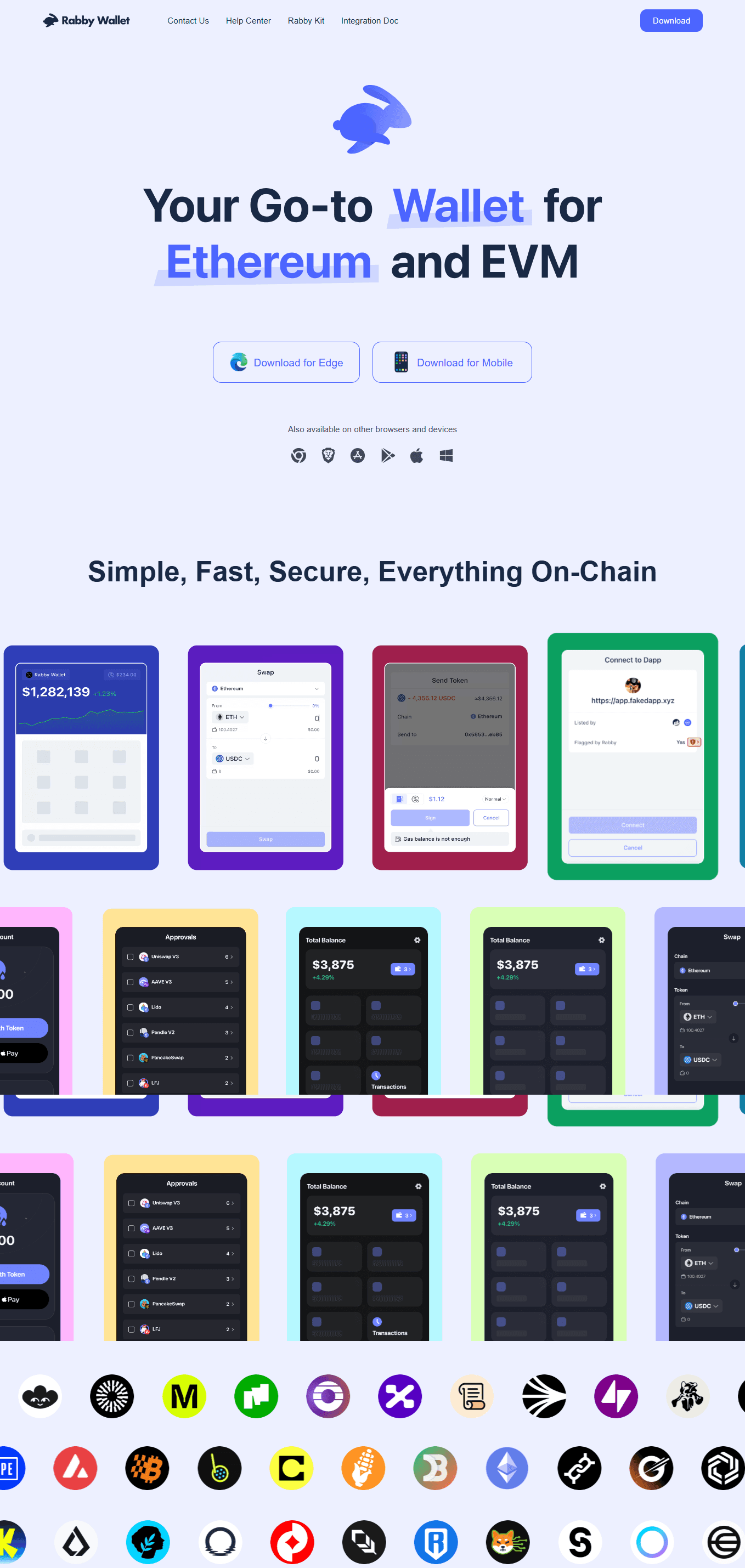
The decentralized finance (DeFi) and Web3 ecosystem has grown rapidly, and with it, the need for secure, intuitive wallets. Rabby Wallet is a browser-based wallet designed to make managing multiple blockchains and interacting with dApps safer and easier. Developed by DeBank, Rabby Wallet focuses on security, transparency, and multi-chain convenience, making it an ideal choice for beginners and advanced users alike.
This guide explains everything you need to know — from installation and setup to advanced features and best security practices.
What is Rabby Wallet?
Rabby Wallet is a browser extension wallet built specifically for the Web3 and DeFi ecosystem. Unlike traditional wallets, Rabby offers:
Automatic network switching to match the blockchain needed for each transaction
Transaction simulation to preview outcomes before signing
Multi-chain portfolio tracking across all connected addresses
Hardware wallet integration for maximum security
It is a reliable tool for anyone interacting with decentralized applications, trading tokens, or managing NFTs.
Key Features of Rabby Wallet
Rabby Wallet combines safety and usability through features such as:
Multi-chain support for Ethereum, Binance Smart Chain, Polygon, Arbitrum, Optimism, Avalanche, Fantom, and more
Transaction previews that show gas fees, token approvals, and balance changes
Phishing and risk alerts to prevent malicious transactions
NFT management with native support for popular networks
Hardware wallet compatibility, including Ledger devices
Multi-address support for tracking all assets in a single interface
These tools make it easier to navigate DeFi safely without switching between multiple apps or explorers.
Installing Rabby Wallet
Installing Rabby Wallet is straightforward:
Open a compatible browser such as Chrome, Brave, or Edge
Visit the official Rabby Wallet extension page
Click Add to Browser
Pin the extension for easy access
Launch the wallet to start the setup process
Important: Always download the wallet from official sources to avoid phishing or fake extensions.
Creating a New Wallet
To set up a new Rabby Wallet:
Select Create Wallet
Set a strong password for local access
Write down your seed recovery phrase carefully
Confirm the seed phrase in order
Store the recovery phrase in a safe offline location
The seed phrase is the only way to restore your wallet. Never share it with anyone or store it digitally.
Importing an Existing Wallet
Rabby allows users to import existing wallets easily. Supported methods include:
Seed phrase from MetaMask, Trust Wallet, or Coinbase Wallet
Private key import
Hardware wallets like Ledger
Always import wallets in a secure environment to protect your assets from theft.
Multi-Chain Support
One of Rabby Wallet’s standout features is its multi-chain functionality. The wallet automatically detects the correct network when interacting with dApps, eliminating the need for manual switching. Supported networks include:
Ethereum
Polygon
Binance Smart Chain
Arbitrum
Optimism
Avalanche
Fantom
This automatic switching makes managing assets across chains much simpler.
Transaction Simulation
Before executing any transaction, Rabby Wallet provides a preview that includes:
Estimated gas fees
Balance changes
Token approval and contract details
Risk warnings for suspicious transactions
This simulation ensures users can verify all transaction details, reducing the risk of mistakes or scams.
Portfolio and Asset Management
Rabby Wallet offers a unified dashboard for managing multiple addresses and chains. Users can:
View balances for all tokens across networks
Track DeFi positions
Monitor NFT collections
Add custom tokens manually
This feature provides a full snapshot of your assets without switching between different wallets or explorers.
Hardware Wallet Integration
For maximum security, Rabby Wallet supports hardware wallet connections, including Ledger devices. Using a hardware wallet ensures that private keys never leave the device, allowing users to sign transactions securely while maintaining offline protection.
Web3 dApp Interaction
Rabby Wallet is optimized for interacting with decentralized applications. Features include:
One-click connection to DeFi platforms like Uniswap, Aave, or Curve
Secure NFT marketplace interaction, including OpenSea
Automatic network detection to prevent failed transactions
Detailed transaction previews to prevent loss
It’s designed to simplify DeFi and NFT operations while maintaining security.
Security Best Practices
To ensure safety when using Rabby Wallet:
Never share your recovery phrase or private keys
Use hardware wallets for large or valuable holdings
Verify transaction details on the wallet screen
Keep the browser and wallet extension updated
Avoid unknown or suspicious dApps
Good security habits are essential to prevent hacking or phishing attacks.
Rabby Wallet vs. Traditional Wallets
Compared to wallets like MetaMask, Rabby Wallet offers several advantages:
FeatureRabby WalletMetaMaskAutomatic network switching✔✘Transaction simulation✔LimitedMulti-address dashboard✔✘Built-in risk alerts✔✘Cross-chain portfolio overview✔Limited
These features make Rabby particularly appealing to users who interact with multiple chains and dApps regularly.
Who Should Use Rabby Wallet?
Rabby Wallet is ideal for:
Traders managing assets across multiple chains
NFT collectors interacting with various marketplaces
DeFi users frequently approving transactions
Anyone who values security, transparency, and convenience in Web3
It reduces human errors and provides advanced tools to simplify complex crypto operations.
Conclusion
Rabby Wallet combines security, transparency, and usability in a single browser wallet. With multi-chain support, transaction simulation, hardware wallet integration, and full portfolio tracking, it is a powerful solution for anyone exploring DeFi, NFTs, or the broader Web3 ecosystem.